
Compares interventions using random assignment; sample size, setting, and follow-up still matter.
Soul Journey · Research & StudiesOriginal sources · Evidence labels · Study limitations
Research & StudiesSource-led evidence library
Ayahuasca Research
& Studies
Explore a curated library of original studies, evidence reviews, safety resources, and Indigenous stewardship materials. Every item links to its original source so you can examine the research directly.
Educational notice: Research in this area is evolving. This library is not medical advice, diagnosis, treatment, or a substitute for qualified medical or mental-health care. Study findings do not predict any individual’s experience or outcome.
Evidence key
How to read this library
The source type matters. A clinical trial, a small observational series, a technical report, and an Indigenous-governance resource each provide a different kind of context.
Offers useful signals but has more limits for cause-and-effect conclusions.
Synthesizes evidence or offers institutional context; it is not a new clinical trial.
Addresses Indigenous, legal, ecological, or governance context rather than clinical outcomes.
Featured clinical evidence
Three studies to start with
These cards prioritize direct original sources and make limitations visible rather than burying them below the link.
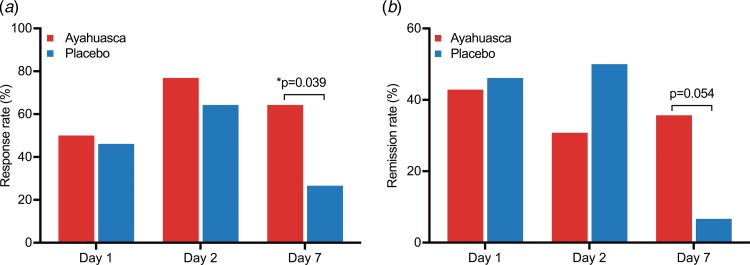
Rapid antidepressant effects of the psychedelic ayahuasca in treatment-resistant depression
Psychological Medicine · 2019 · 29 participants · 7-day follow-up
This placebo-controlled study examined depression-scale outcomes under controlled research conditions. It reported differences in outcomes during the short follow-up period used in the study.
What it cannot tell us: whether findings apply to every person, setting, preparation, or longer-term outcome.
ClinicalDepressionControlled setting
Read the original study 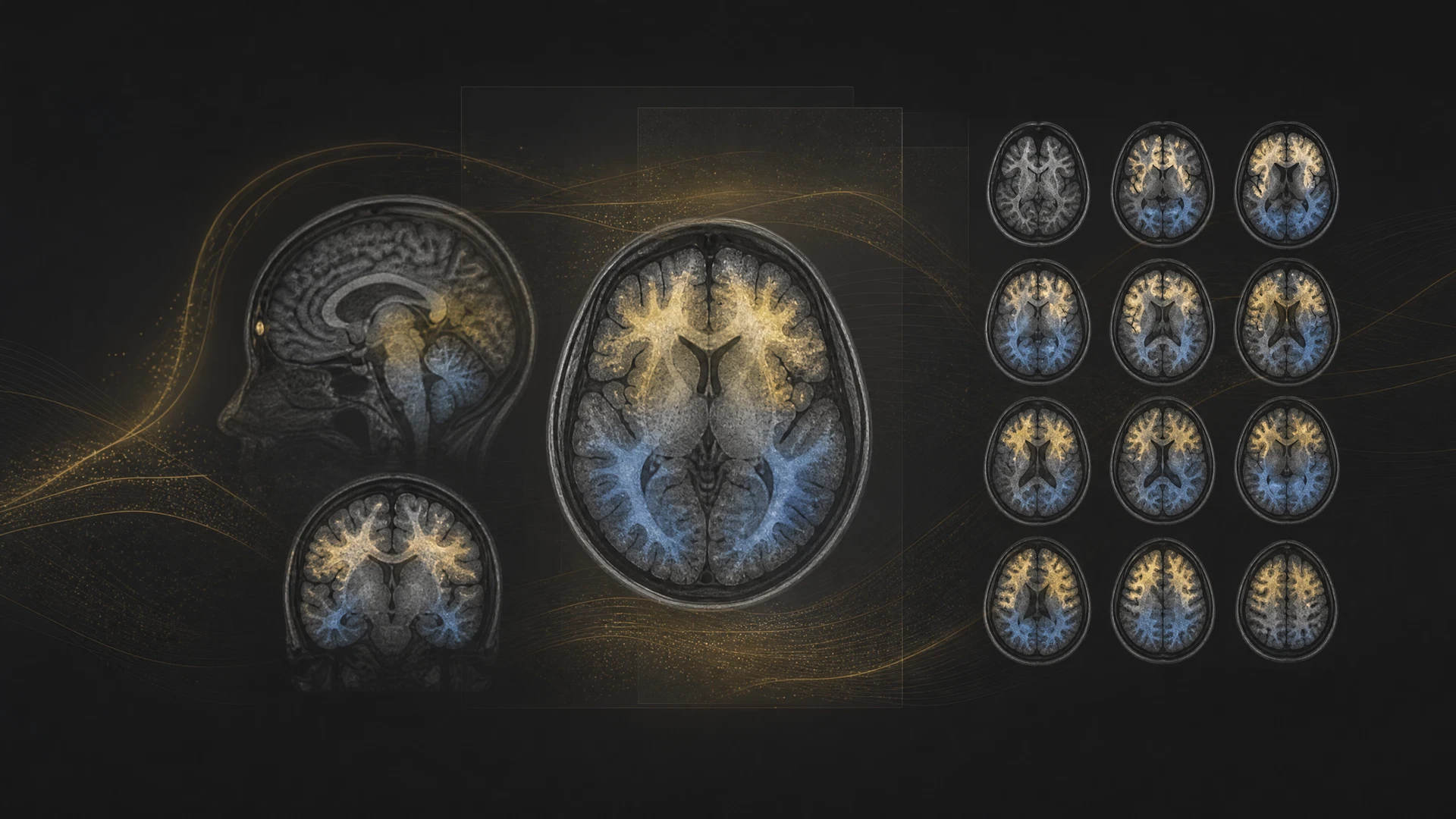
Antidepressant effects of a single dose of ayahuasca in patients with recurrent depression: A SPECT study
Journal of Clinical Psychopharmacology · 2016 · 17 participants
This study examined mood-scale changes and cerebral perfusion after a single dose in a clinical setting. Its design provides early signals that require stronger controlled replication.
What it cannot tell us: whether observed changes were caused by ayahuasca rather than other factors in an uncontrolled design.
ClinicalNeuroscienceOpen-label
Read the original study 
Ayahuasca in the treatment of posttraumatic stress disorder: Mixed-methods case series evaluation in military combat veterans
Psychological Trauma · 2024 · 8 participants · 3-month follow-up
This mixed-methods case series examined participant-reported outcomes after an ayahuasca experience. The PubMed record includes a correction notice that should be read with the paper.
What it cannot tell us: whether this small observational series establishes an effective treatment for PTSD or predicts an individual outcome.
Trauma-relatedObservationalCorrection noted
Read the original study Beyond the study cards
Context belongs beside evidence
A durable research hub does more than collect study titles. It explains how evidence is shaped by design, setting, screening, cultural context, and the questions researchers have not yet answered.
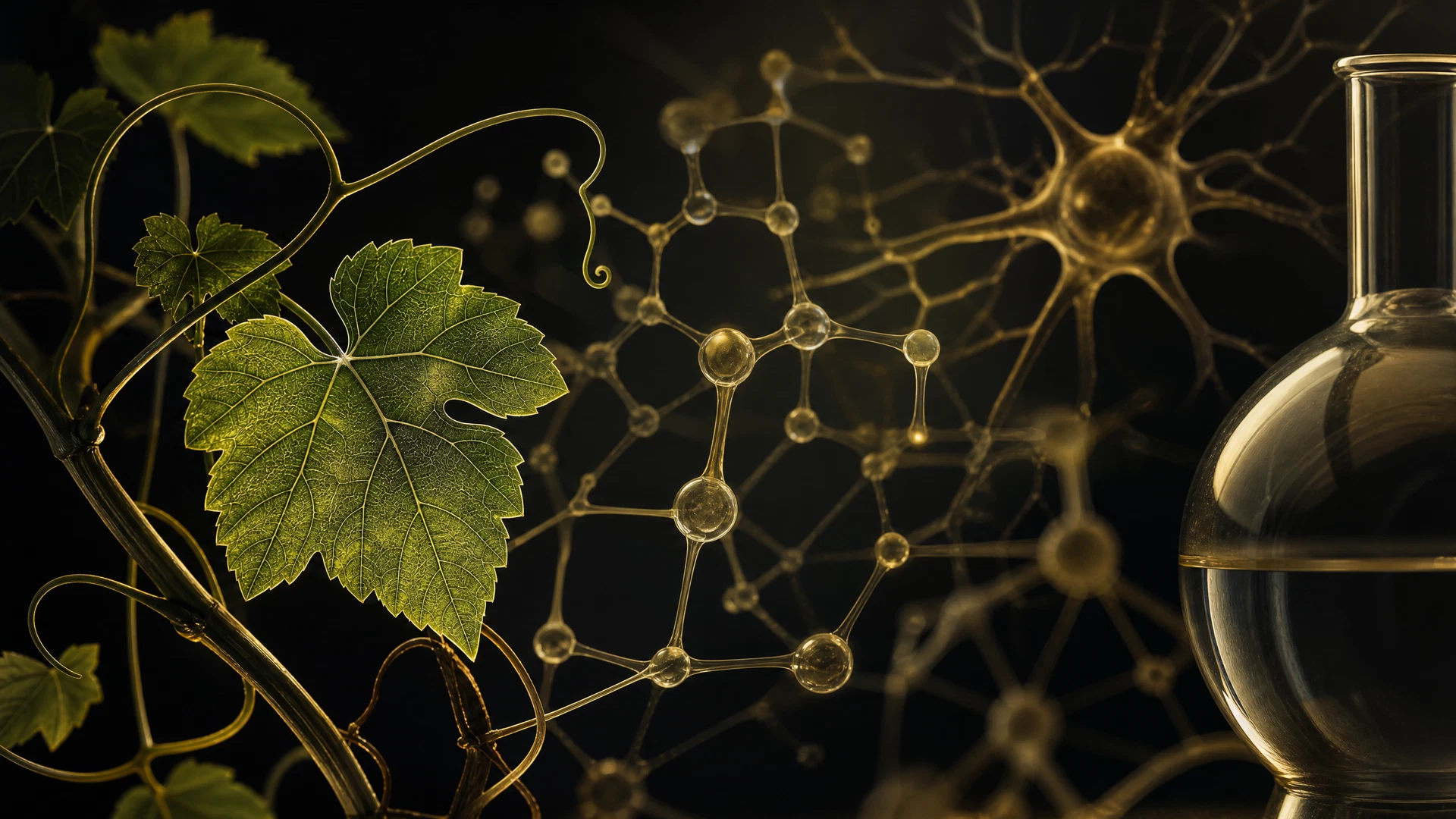
Mechanisms & neuroscience
What researchers are studying about mechanisms
Researchers are studying how ayahuasca’s components may interact with multiple biological systems. The literature remains early and limited by small samples, varied preparations, and incomplete standardization.
Read the reviewSource: Molecular Pathways of the Therapeutic Effects of Ayahuasca

Safety & research limits
Research settings do not automatically transfer to every setting
Clinical research commonly uses screening, protocols, trained support, and medical or psychiatric exclusion criteria. This section is educational context—not medical clearance, diagnosis, or individualized advice.
Read safety contextSource: ICEERS Ayahuasca Safety Profile

Observational research
Signals worth reading carefully
Small observational studies can identify questions for future research, but they do not provide the same certainty as controlled clinical trials. Their own authors commonly call for more rigorous study.
Read the studySource: Thomas et al. preliminary observational addiction study
Culture, ethics & stewardship
Research belongs beside responsibility
Scientific literature does not replace Indigenous knowledge, cultural rights, ecological responsibility, or informed participation in decisions affecting traditional practices.
Read the contextSource: Indigenous Peoples Speak Out on the Future of Ayahuasca
Explore by question
Start with what you are trying to understand
These pathways are designed to make the study library useful for readers without turning the page into a claim about outcomes.
Further reading
Complete reference library
The first release is intentionally curated. Each item is identified by source type so readers can distinguish peer-reviewed papers from institutional resources and cultural context.
Original sources · limits visible
ClinicalPalhano-Fontes et al. (2019)Randomized placebo-controlled trialClinicalSanches et al. (2016)Open-label SPECT studyObservationalWeiss et al. (2024)Mixed-methods veterans case series; correction notice on PubMedPharmacologyRossi et al. (2022)Molecular pathways reviewSafetyICEERS Safety ProfileInstitutional educational resourceCulture & EthicsIndigenous Peoples Speak OutCurrent cultural and governance context
Editorial method
The source is part of the story.
Soul Journey prioritizes original papers, PubMed or DOI records, peer-reviewed reviews, and clearly-labelled institutional or Indigenous stewardship resources. Inclusion does not equal endorsement or medical recommendation.
Continue exploring
FAQ & screening questions Retreat preparation context Lineage & Indigenous context Articles & reflections
Last reviewed: August 21, 2026